Talent is often treated as the foundation of artistic success. And it is a foundation. But a foundation alone does not build a structure. The uncomfortable truth is that the art world does not automatically reward talent. It rewards visibility, positioning and sustained presence.
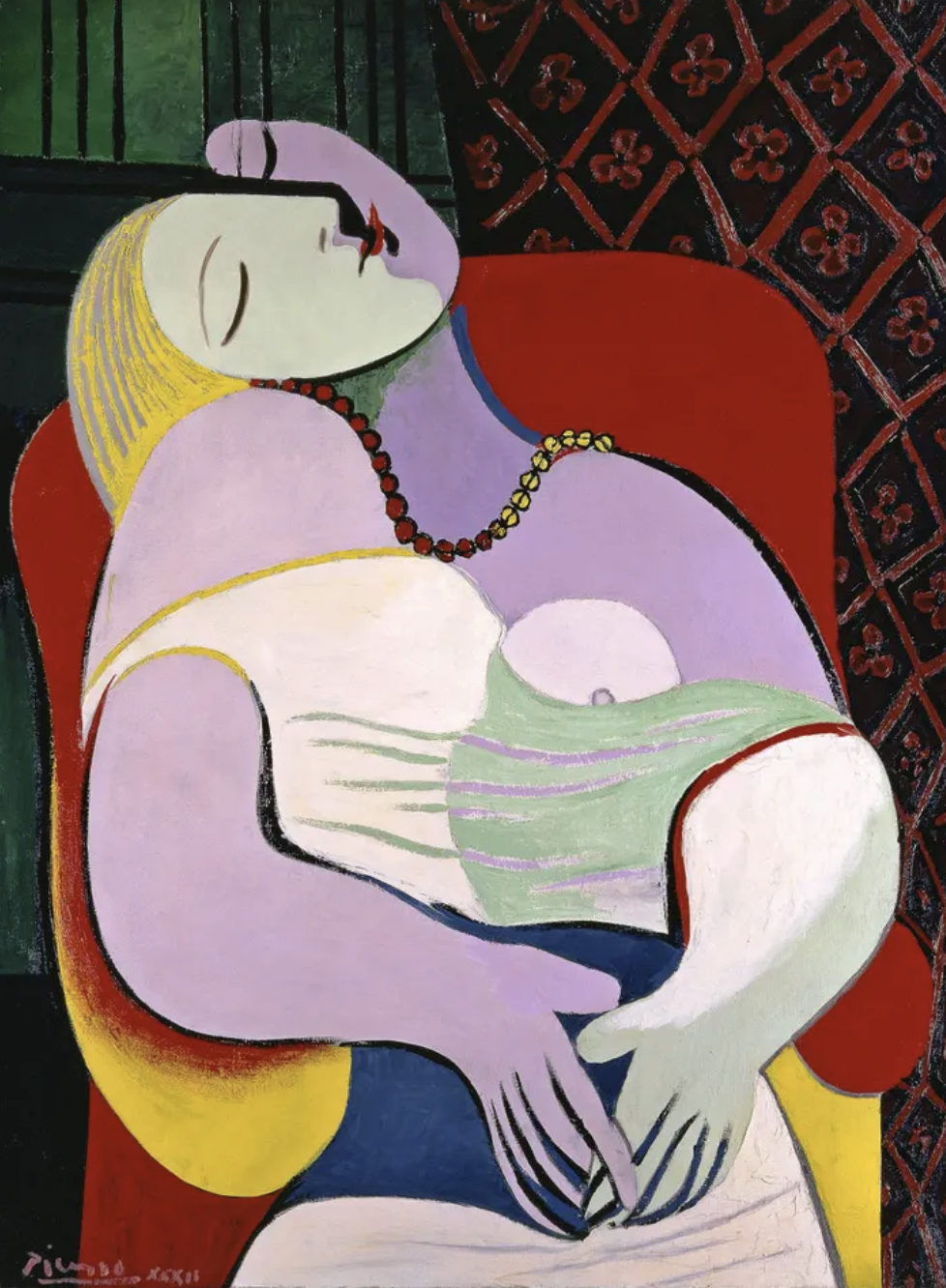
History makes this clear. Pablo Picasso was not only a revolutionary painter, he was a master of self-positioning. He cultivated dealers strategically, aligned himself with influential writers and intellectual circles, and constantly evolved his public narrative. Andy Warhol understood media before most artists did. Salvador Dalí built spectacle around his persona as deliberately as he built his canvases. Even contemporary artists who appear “naturally discovered” often operate within highly structured marketing ecosystems supported by galleries, PR teams and institutional networks.
Were they talented? Undeniably.
Were they also strategic? Absolutely.
For emerging and mid-career artists, this raises a direct question: are you relying solely on the strength of your work, or are you building the infrastructure around it?
Strategy in art is often misunderstood as something commercial or superficial. In reality, it is simply marketing in its most professional sense. Marketing is not manipulation. It is communication. It is the deliberate act of placing your work in contexts where it can be seen, discussed and validated.
Ask yourself:
- Who regularly sees your work outside your immediate circle?
- Are you featured in publications that establish credibility?
- Do you have critical reviews that contextualize your practice?
- Are you visible in curated platforms beyond social media?
Many talented artists remain invisible because they assume recognition is merit-based. It rarely is. Recognition is relational. It is built through repetition, exposure and institutional framing.
This is where tools become essential. The question is not whether you should market your work. The question is how.
Are you prepared to manage everything alone? Outreach, writing, submissions, documentation, networking, press? Some artists choose full independence, but even then, they use platforms. Publications, curated art magazines, professional memberships, international exposure platforms, art fairs and online exhibitions function as amplifiers. They extend your reach beyond personal networks.
Strategic visibility platforms such as curated publications, professional art reviews and international exposure programs create third-party validation. That validation matters. A feature in a respected art publication signals seriousness. A professional review frames your work within discourse. Participation in curated expos and memberships places you in a network rather than in isolation.
The difference between a talented artist and a recognized artist is rarely aesthetic alone. It is structural.
Marketing does not dilute artistic integrity. Poor marketing does. Inconsistent presentation, unclear messaging and sporadic exposure create fragmentation. Professional positioning creates coherence.
Consider another question: if someone searches your name today, what narrative appears? A scattered digital presence? Or a curated record of exhibitions, publications, reviews and affiliations?
Longevity requires more than studio excellence. It requires architecture. It requires distribution channels. It requires deliberate amplification.
Picasso did not wait to be discovered. He inserted himself into the right circles. Warhol did not hope for attention. He engineered it. Contemporary artists who sustain global careers operate with teams, publications, advisory networks and institutional alliances.
You may not have a team. But you have tools.
The decision is not whether marketing belongs in art. It always has. The decision is whether you approach it professionally or leave it to chance.
Talent is the beginning. Strategy determines endurance.