Social Media in the Arts: Tool or Illusion?
Social platforms have matured. They are no longer experimental spaces but established infrastructures that shape visibility, reputation and opportunity. For artists across the globe, the digital realm offers direct access to audiences, collectors, curators and peers without geographic limitation. A portfolio can be viewed instantly. A new series can circulate within hours. A studio practice can become a narrative.
But does visibility equal value? Not necessarily.
Social media is a tool. It amplifies. It does not validate. Many artists build substantial careers offline through galleries, fairs and institutional networks. Others leverage digital platforms as their primary ecosystem. The distinction is not moral, it is strategic. The question is not whether social media works. It is whether you know how to use it deliberately.
Building Your Own Brand
Platforms such as Instagram, LinkedIn, Behance, DeviantArt and Artnet have become informal portfolios and public resumes. They allow artists to articulate a visual identity, communicate consistency and position themselves within a broader conversation.
Are you a traditional painter working exclusively in oil? Social media still applies. Documentation bridges physical practice with digital exposure. A gallery director may discover you online before ever seeing your work in person. An advisor may follow your development long before initiating contact.
Brand building, in this context, is not about self-promotion in its shallowest sense. It is about clarity. What do you stand for visually? What themes define your work? How coherent is your presentation? Social media can sharpen this awareness. It can also expose weaknesses. That visibility can be uncomfortable, but it is instructive.
Where to Start
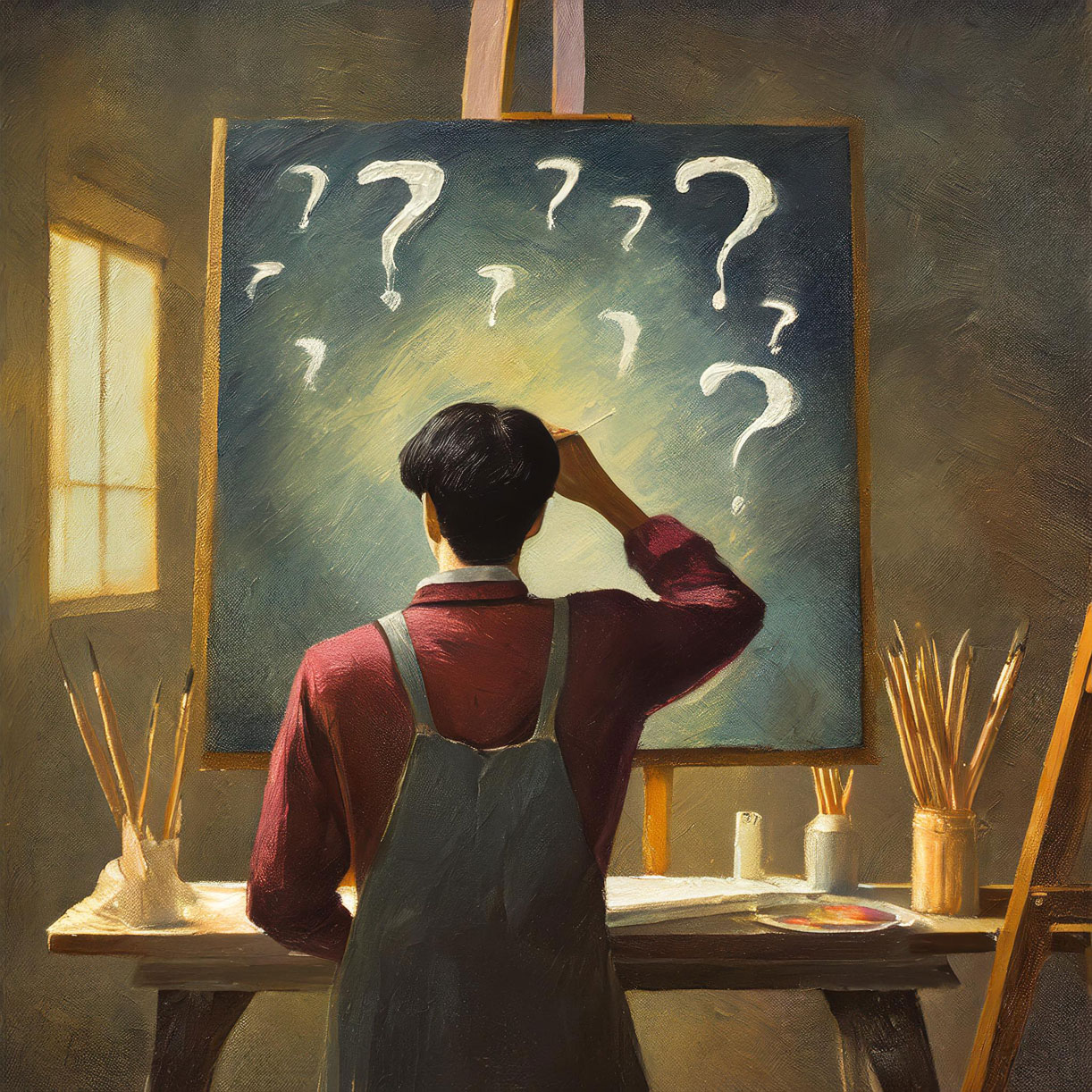
The hesitation many artists feel is practical: Where do I begin? Which platform matters? What if I do it wrong?
The barrier to entry is low. Accounts are simple to create. Uploading is intuitive. The complexity lies in consistency and intention.
Start with the platform that feels natural to you. Observe before posting. Study how artists you respect structure their feeds. Identify whether your medium aligns better with image-driven platforms, professional networks or specialized art communities.
You do not need to be everywhere. You need to be coherent somewhere.
Social media is not about chasing algorithms. It is about articulating your voice in a public space.
Necessary Evil or Strategic Asset?
There is no universal formula. For some artists, maintaining a digital presence feels energizing. For others, it feels draining and performative. Building an engaged audience requires time, discipline and creative direction. It can consume attention that might otherwise be spent in the studio.
So is it necessary?
In today’s ecosystem, complete absence carries its own risk. Curators and collectors often research artists online before initiating dialogue. A minimal, professional presence signals seriousness. It does not require daily posting, but it does require intention.
Think of social media not as a stage for constant performance, but as an extension of your practice. Share new works. Announce exhibitions. Communicate collaborations. Offer insight into process when appropriate. Let the digital record reflect the evolution of your career.
The goal is not to become an influencer. The goal is to remain visible in a system that increasingly operates through digital discovery.
Used passively, social media is noise.
Used strategically, it is leverage.
The decision is not whether it is good or bad. The decision is whether you control it, or allow it to control you.