

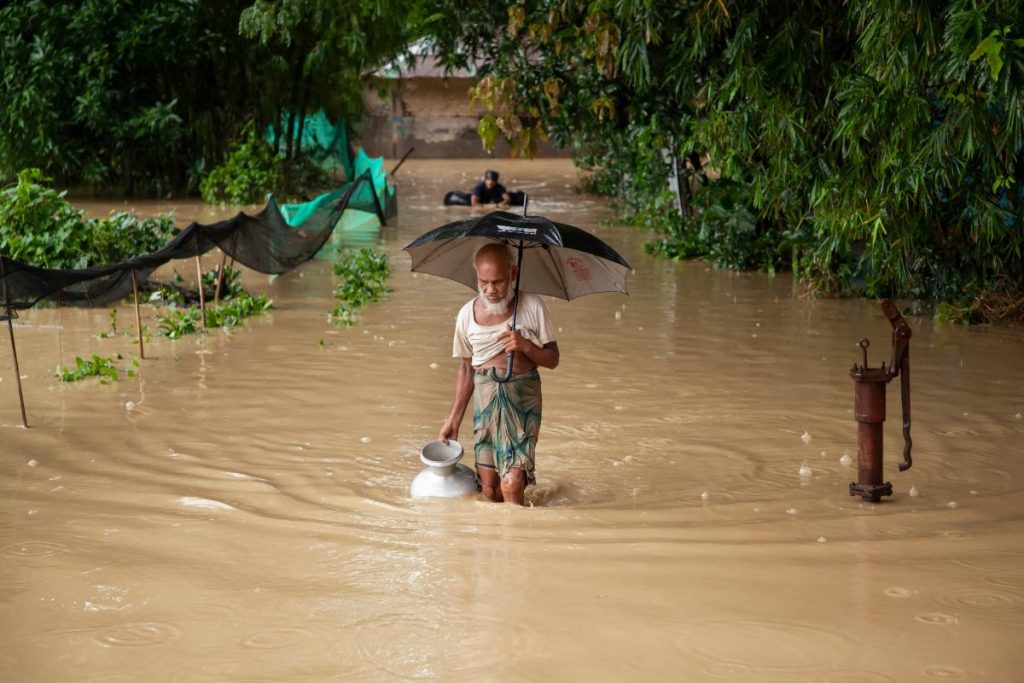
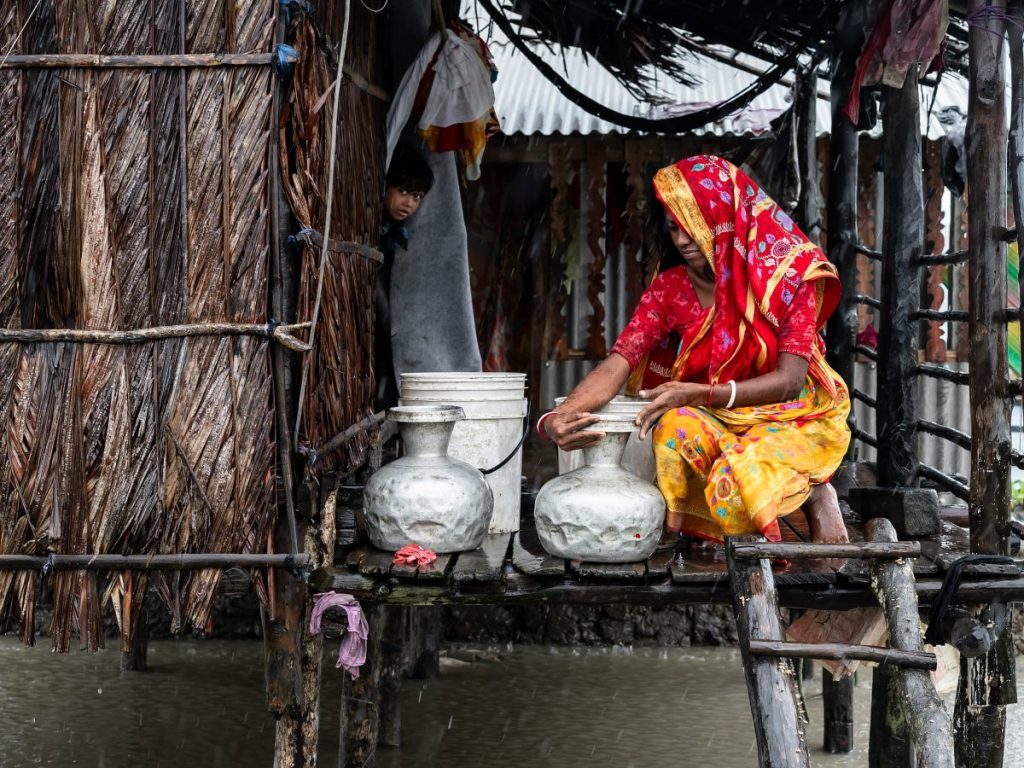
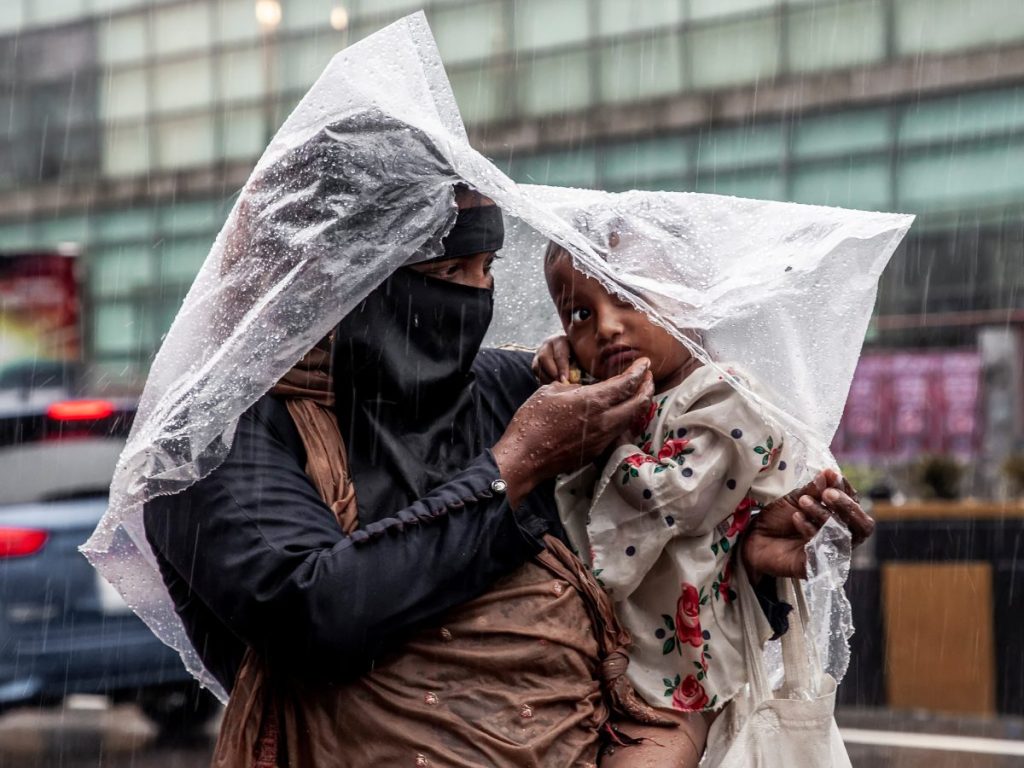
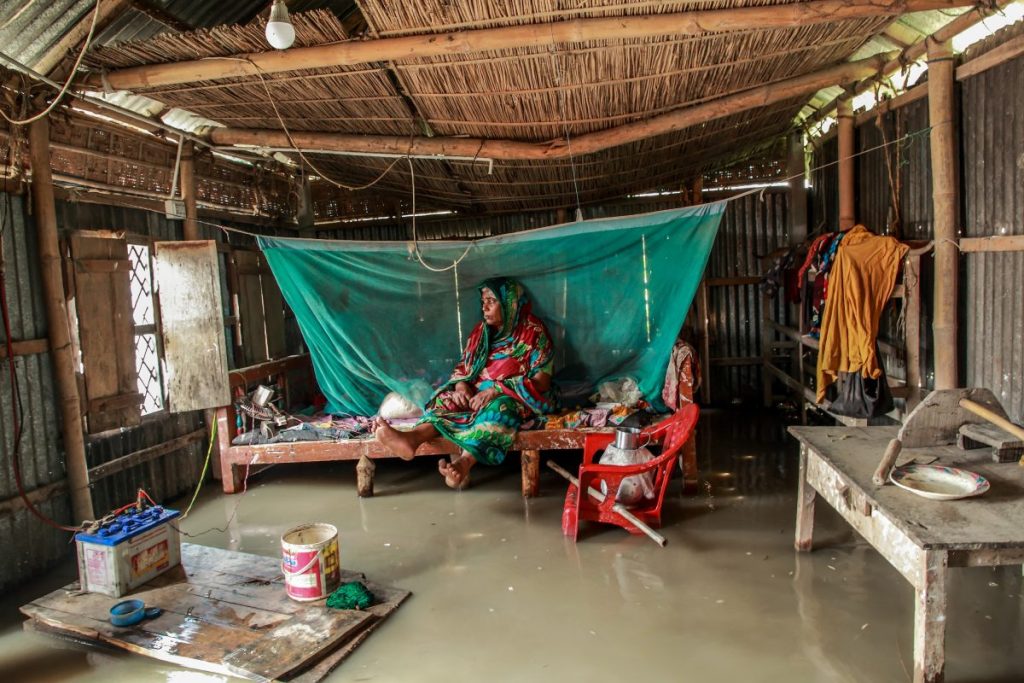
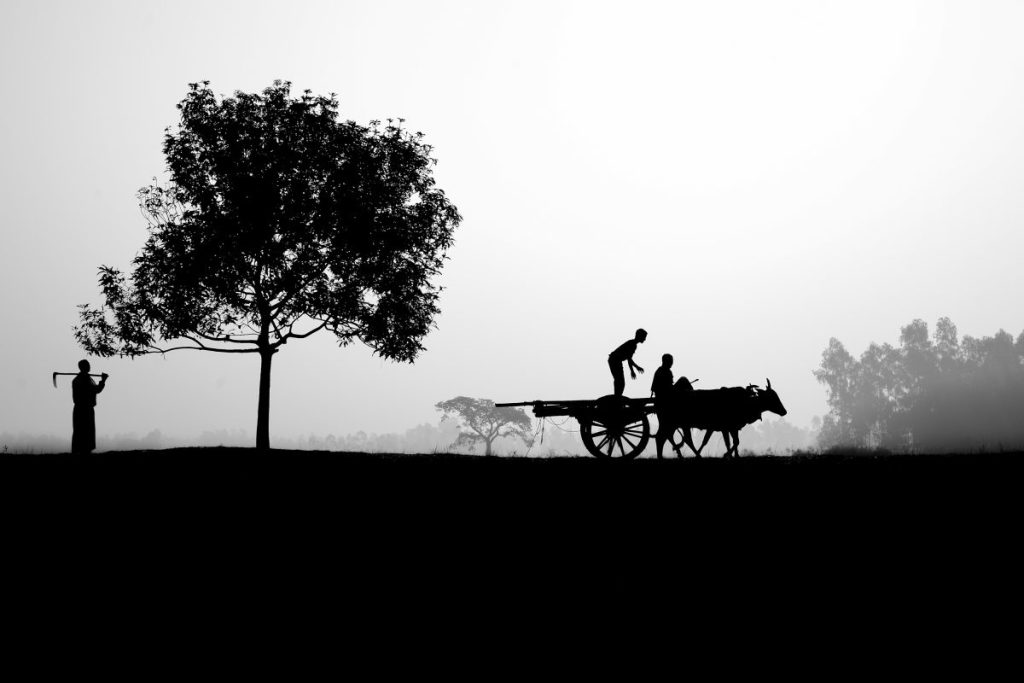
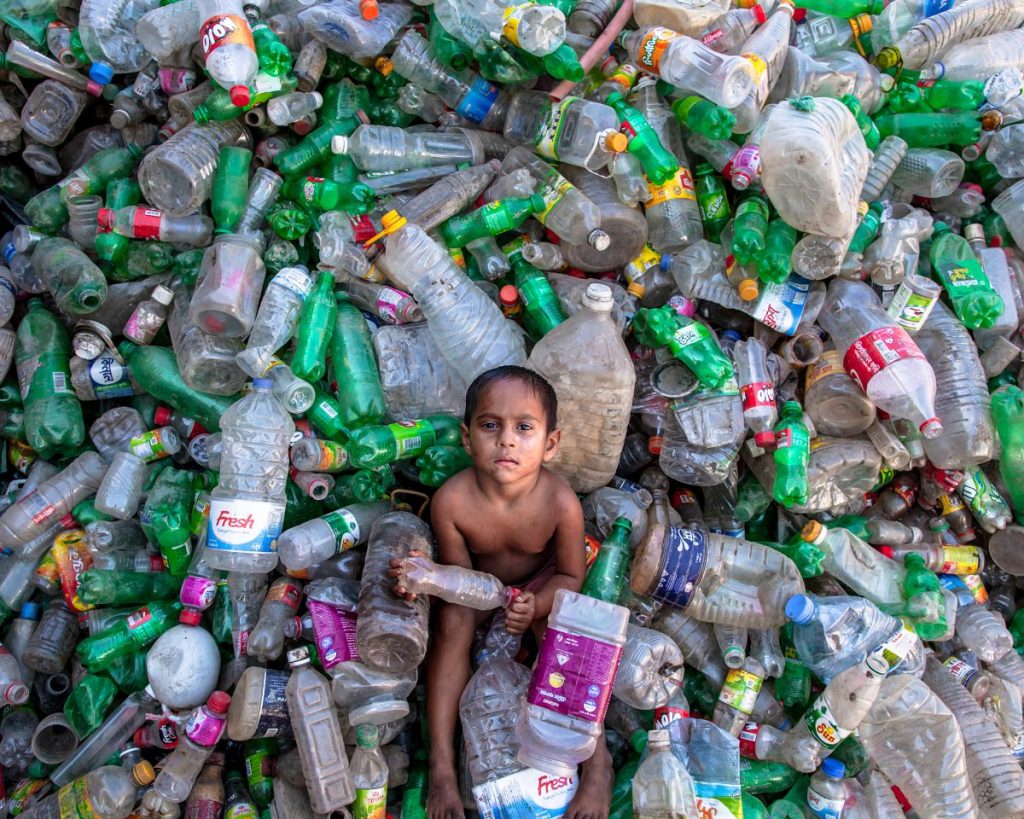
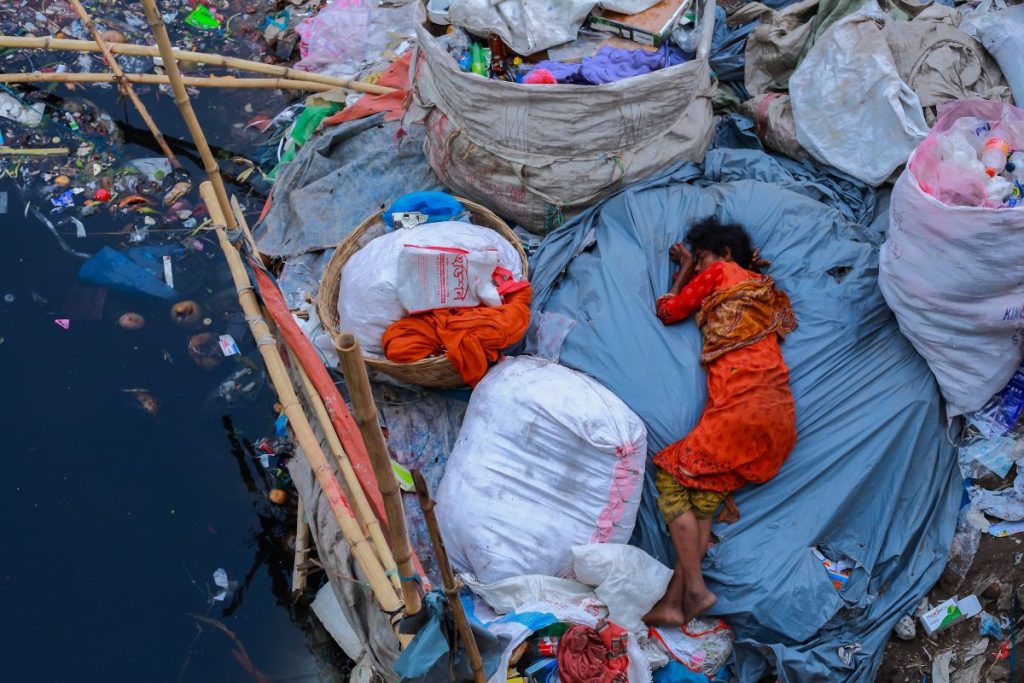
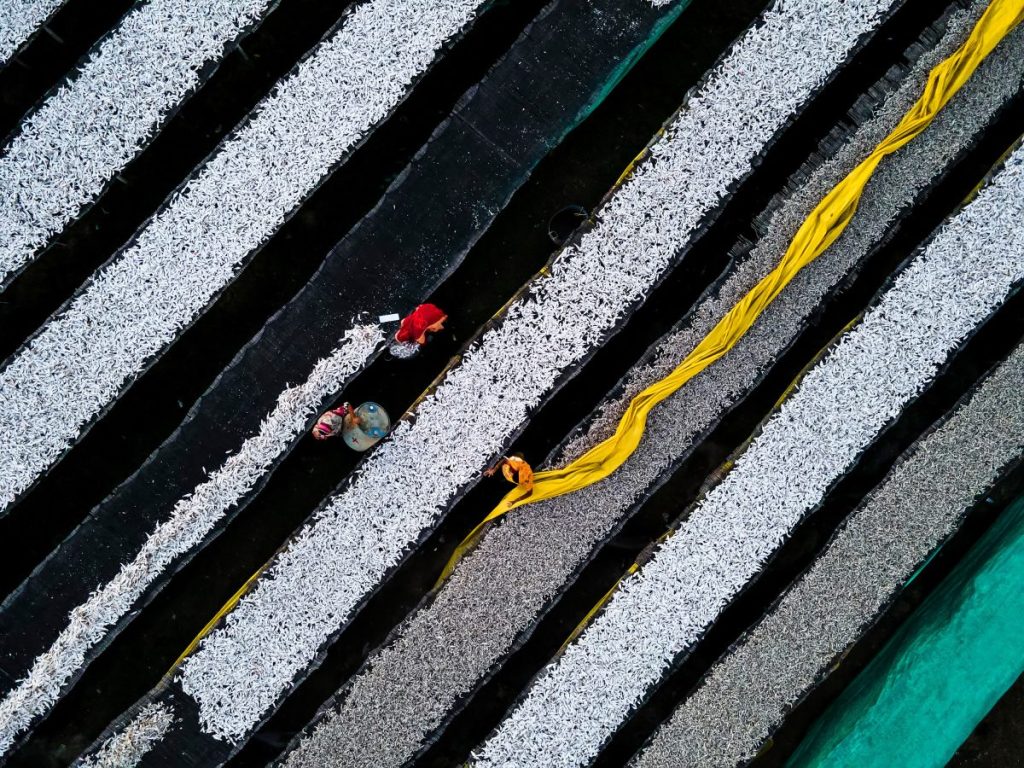
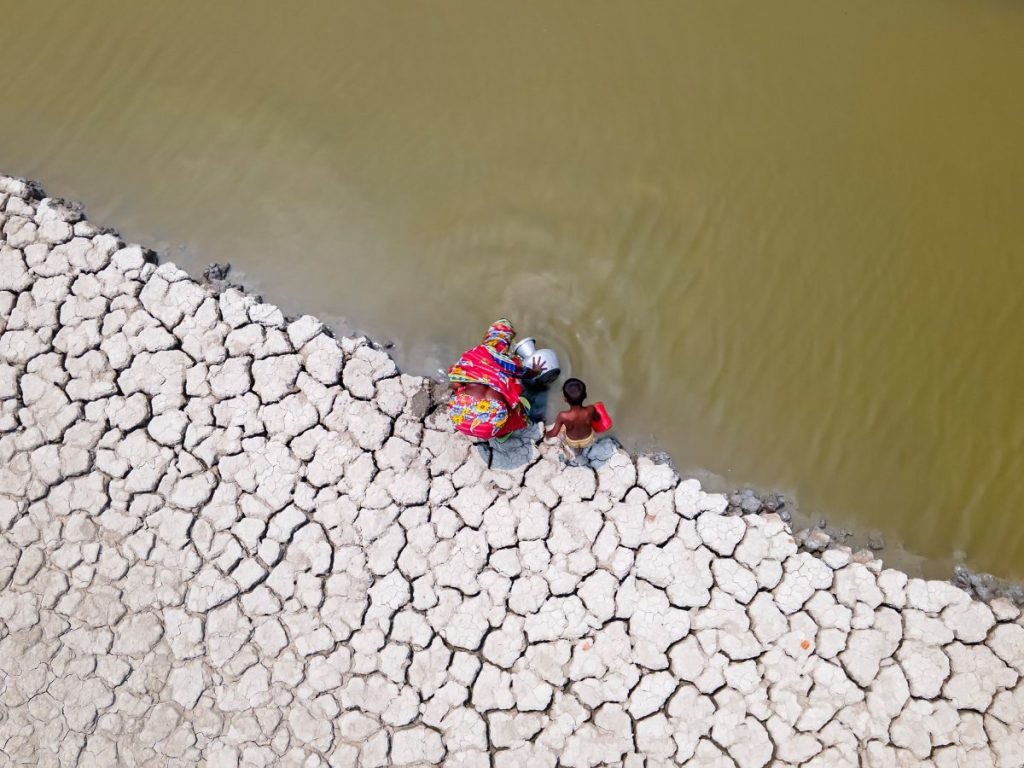


"My work explores the fragile relationship between people and water in coastal Bangladesh. I document communities living with floods, salinity, and environmental change—focusing on resilience, dignity, and adaptation. Moving between documentary truth and fine-art stillness, I seek quiet, symbolic moments that reflect survival in vulnerable landscapes and the strength that endures within them."
Read a Q&A with Muhammad Amdad Hossain
Talk to us about your work featured here.
What are the main themes and ideas explored?
What are the main themes and ideas explored?
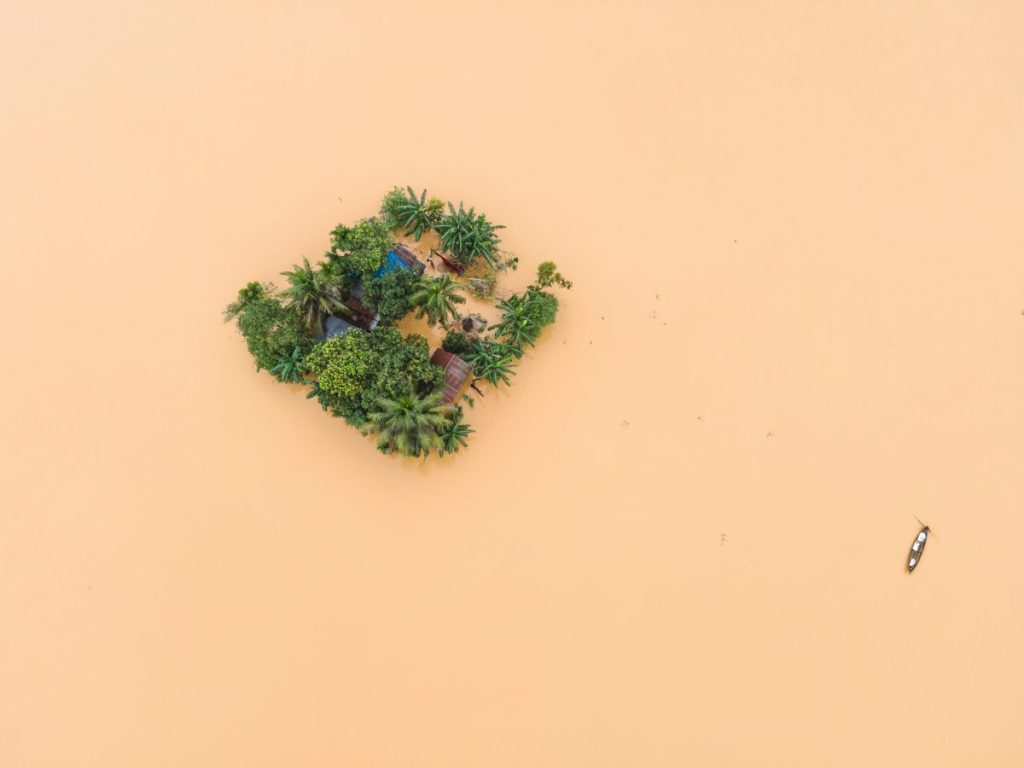
My selected works explore the fragile relationship between people and water in Bangladesh’s coastal and flood-prone regions. Through scenes of isolation, survival, labor, and adaptation, the series reflects how climate change, pollution, and displacement reshape everyday life. I focus on quiet yet powerful human moments—an island home surrounded by floodwater, a child among plastic waste, or families living inside submerged houses. The work speaks about resilience, dignity, and the emotional weight of living on the frontline of environmental crisis.
Describe your creative process.
My process begins with long-term field engagement. I spend time with communities, observing daily rhythms before photographing. Trust and presence are essential to my practice. Visually, I work with natural light, layered composition, and aerial or eye-level perspectives depending on the narrative. Editing is minimal—focused on tonal balance and emotional clarity rather than manipulation. I know a work is finished when the image holds both documentary truth and symbolic depth, allowing viewers to feel the story without explanation.
What are the main influences and inspirations behind your art?
My strongest inspiration comes from the people I photograph—their resilience, dignity, and ability to adapt under extreme conditions. I’m influenced by environmental realities in Bangladesh: flooding, salinity, migration, and pollution. I’m also inspired by documentary traditions that merge journalism with fine-art storytelling. Nature, water landscapes, and human endurance continually shape my visual language.
What is unique about your art? What do you consider the strongest aspect of your work?
What sets my work apart is the fusion of documentary realism with fine-art composition. I often use aerial perspectives, minimalism, and spatial isolation to transform real events into symbolic visual narratives. The strongest aspect of my work is emotional stillness—images that feel quiet yet carry deep socio-environmental weight. I aim to create photographs that function both as evidence and as visual poetry.
What message or emotion do you hope viewers take away from experiencing your art?
I hope viewers feel both empathy and awareness. My work invites people to look beyond headlines and see the human face of climate crisis and environmental injustice. I want the images to evoke reflection—about vulnerability, resilience, and our shared responsibility toward the planet and each other.
What is the biggest challenge for an artist?
What is the hardest part of your job?
What is the hardest part of your job?
One of the greatest challenges is sustaining long-term documentary work—emotionally, physically, and financially. Working in disaster-affected regions often means confronting human suffering while maintaining ethical responsibility. Balancing storytelling with respect and dignity is always the hardest part.
What is the most rewarding part of being an artist?
The most rewarding part is knowing the work can give visibility to underrepresented communities. When images create dialogue, awareness, or empathy, it feels meaningful beyond aesthetics. That human connection is what I value most. I balance tradition and innovation by grounding my work in classical documentary ethics while experimenting with perspective, scale, and composition. Traditional storytelling meets contemporary visual structure—especially through drone photography and spatial minimalism.
How do you balance tradition and innovation in your work?
I balance tradition and innovation by grounding my work in classical documentary ethics while experimenting with perspective, scale, and composition. Traditional storytelling meets contemporary visual structure—especially through drone photography and spatial minimalism.
What does "good art" mean to you?
What makes a piece of art great?
What makes a piece of art great?
Good art carries honesty, emotional depth, and lasting resonance. A great artwork goes beyond visual appeal—it stays with the viewer, raises questions, and expands understanding. Authenticity elevates art from ordinary to extraordinary.
What is the role of the artist today?
Today, artists act as visual witnesses and cultural translators. In a rapidly changing world, art has the power to document truth, challenge indifference, and foster empathy. I believe the artist’s role is to create meaningful connections between people, place, and pressing global realities.